Qigong and Tai Chi are both moving qi (internal energy) practices.
Traditional Qigong forms and exercises are done in a fixed standing position although more modern forms have incorporated small stepping movements, for example, Roll with the Waves, Dove Spreads Wings, and Bouncing Ball in the Sunshine movements in the Qigong Shibashi.
The difference which is immediately obvious is that Tai Chi forms have stepping movements. And a focus on the weight transfer involved in both stepping and kicking movements.
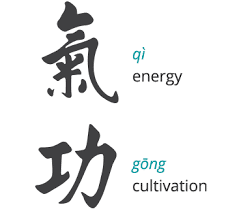
Qigong exercises have been done throughout China by the ordinary Chinese for thousands of years, well before Chinese martial arts. Chinese martial artists quickly recognised that Qigong exercises and principles could improve their martial skills. Thus they developed Martial Qigong and integrated it into the Chinese martial art, Taijiquan. While Qigong has remained largely unchanged, the martial art component of Taijiquan has been removed to give us the Tai Chi we know today. The reason that Tai Chi is often referred to a “moving Qigong”.
The Tai Chi literature, including the Tai Chi Classics, identifies two key concepts or principles: differentiating “substantial” from “insubstantial”; and root i.e. connectedness to the ground.
It is the application of these principles into our Tai Chi practice and then carrying it across into our everyday activities, that is the reason that Tai Chi has been widely recognised as being effective for Falls Prevention for Seniors.

The Accident Compensation Corporation (ACC) has been actively involved in sponsoring programs including Tai Chi for Health Falls Prevention in conjunction with the Tai Chi for Health Institute. More recently with the New Zealand Government Falls & Fracture Strategy promoting exercise programmes for seniors with the purpose “to improve balance and leg strength to reduce the risk of falling”.